
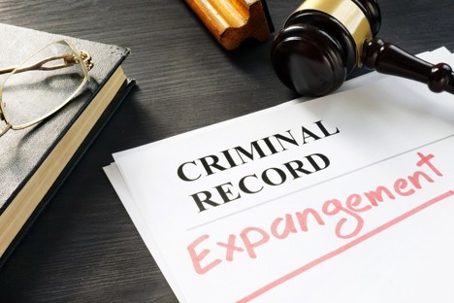
A criminal case can continue affecting a person's life long after a sentence has been completed. A conviction or other criminal record may come up when someone applies for a job, searches for housing, pursues a professional license, or seeks new opportunities. Even when an individual has moved on from the circumstances that led to the case, the record itself can remain a source of concern.
The consequences depend on the nature of the offense, the outcome of the case, the applicable laws, and the type of background check or screening being conducted. In some situations, legal remedies such as expungement or a pardon may help reduce the impact of a past criminal matter.
How a Criminal Record Can Affect Employment
Employers may conduct background checks as part of the hiring process, although the rules governing the use of criminal records vary by jurisdiction, position, and circumstances.
A criminal record does not necessarily mean someone cannot find employment. However, certain convictions can create additional obstacles, particularly when an offense relates directly to the responsibilities of a position.
Employment concerns may include:
- Background checks. A criminal history may appear during a pre-employment screening, depending on the records available and the type of search conducted.
- Industry requirements. Certain occupations may impose additional restrictions or background-check requirements because of the nature of the work.
- Disclosure questions. Applicants may encounter questions about prior convictions or criminal history, with the appropriate response depending on the application and applicable law.
- Professional reputation. Some individuals may also be concerned about how a past case could affect their standing within a particular industry.
The legal effect of a criminal record is not necessarily the same for every employer or every position. Understanding what information may be disclosed and what restrictions apply can help an individual make more informed decisions.
Housing Applications & Criminal History
Housing can present another challenge for people with criminal records. Landlords and property management companies may use background screening as part of the rental application process.
A criminal record does not automatically prevent someone from obtaining housing, but certain records may influence a landlord's decision depending on applicable federal, state, and local requirements.
Individuals dealing with housing-related concerns may encounter:
- Criminal background screening. A landlord may obtain information about an applicant's criminal history as part of a screening process.
- Application questions. Rental applications may ask about certain aspects of an applicant's history.
- Screening policies. Landlords may have policies concerning criminal records, subject to applicable legal restrictions.
- Older records. The availability and significance of older criminal records can depend on the type of record and the law governing the screening process.
For someone who has already completed a sentence and is trying to establish a more stable future, continued concerns about a criminal record can be particularly frustrating.
Professional Licensing Can Create Additional Obstacles
Some careers require a professional license before an individual can legally practice. Licensing authorities may consider criminal history when evaluating an application or renewal.
The effect of a conviction can vary considerably by profession and offense. A criminal record may result in additional questions, requests for documentation, or further review rather than an automatic denial.
This can be especially important for individuals pursuing careers in fields such as:
- Healthcare. Certain healthcare professions have licensing and background requirements that may involve criminal history.
- Education. Applicants for teaching and other educational positions may undergo background screening.
- Law and financial services. Certain regulated professions impose additional character or disclosure requirements.
- Occupational licensing. State licensing boards may have specific rules concerning convictions and professional eligibility.
A person considering a career change should not necessarily assume that a prior criminal case makes professional licensing impossible. The relevant licensing authority, profession, offense, and circumstances all matter.
Can Expungement Help with a Criminal Record?
Depending on the jurisdiction and the outcome of the case, an individual may qualify for expungement or another form of record relief.
The terminology and legal effect of expungement vary by state. In general, an eligible form of record relief may limit the public availability or legal consequences of a past criminal matter, but it does not necessarily mean the record disappears from every database or becomes irrelevant for every purpose.
Eligibility may depend on factors such as:
- The type of offense. Certain offenses may be excluded from available forms of relief.
- The outcome of the case. A dismissal, acquittal, or conviction can lead to different eligibility rules.
- Completion of the sentence. Some remedies require a person to complete probation, incarceration, or other court-ordered obligations before applying.
- Time requirements. Certain forms of relief may not be available until a specified period has passed.
- Subsequent criminal history. Later convictions or pending charges may affect eligibility.
Because record-relief laws are highly specific, determining whether someone qualifies requires looking at the actual history of the case rather than relying on a general assumption about expungement.
What About a Pardon?
A pardon is another form of potential relief, but it serves a different purpose from expungement and is not available in every situation.
A pardon generally involves an executive act of forgiveness for an offense. Depending on the jurisdiction and type of pardon, it may have implications for certain legal consequences of a conviction, but it does not necessarily erase the underlying criminal record.
For someone considering a pardon, it is important to understand both what the pardon can accomplish and what consequences may remain afterward.
Looking Beyond the Criminal Case
A criminal record can create practical challenges that extend far beyond the courtroom. Employment, housing, professional licensing, and other aspects of daily life may be affected depending on the circumstances.
That does not mean a past criminal matter will define someone's future. In some cases, available legal remedies may provide a way to address the continuing consequences of a record. Determining whether expungement, a pardon, or another form of relief (such as a limited access order) is available begins with understanding the specific history and outcome of the case.
Legal Remedies for Your Criminal Record
Scaringi Law can help individuals understand their options when the consequences of a past criminal matter continue to affect their employment, housing, professional opportunities, or other aspects of their lives.
Depending on the circumstances, legal remedies such as expungement or a pardon may provide an opportunity to address some of those lingering consequences. We can evaluate the case history and circumstances, explain the available options, and help you determine an appropriate path forward.
If you have concerns about how a criminal record may affect employment, housing, professional licensing, or future opportunities, call (717) 775-7195 or contact us online to discuss your circumstances.