
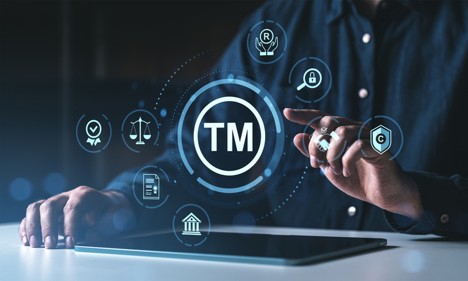
Artificial intelligence has made it easier than ever to create names, logos, advertising, product descriptions, images, and other materials for a business. It has also made it easier to reproduce and distribute those materials at a scale that would have been difficult to achieve only a few years ago.
For businesses, that creates new opportunities along with new trademark concerns. A brand can be copied, imitated, or incorporated into AI-generated content quickly, potentially reaching customers before the business even realizes there is a problem.
Trademark registration has always been an important part of building a brand protection strategy. As AI changes the speed and scale at which brands can be created and used, registration, monitoring, enforcement, and litigation remain important tools for protecting valuable intellectual property.
How AI Is Changing the Trademark Landscape
AI tools can generate thousands of potential business names, product names, slogans, images, and other branding concepts in seconds. Businesses can use these tools to accelerate creative work, but the speed of creation can also make trademark clearance more complicated.
A name that appears original may already be used by another business. An AI-generated logo may resemble an existing brand. Multiple businesses may independently receive similar suggestions from the same technology.
AI can also make it easier for third parties to imitate established brands. Someone attempting to mislead consumers does not necessarily need the resources of a large company to produce convincing branding, websites, advertising, or social media content.
The technology itself does not determine whether a particular use creates trademark liability. The relevant legal questions depend on the facts, the marks involved, the goods or services at issue, and the circumstances surrounding the use.
Trademark Registration Still Matters
A business may develop a valuable brand long before it encounters an obvious dispute. Waiting until someone else begins using a similar mark can make protecting that investment more difficult.
Trademark registration can provide important legal protections and establish a formal record of rights. Before pursuing registration, businesses should also consider whether a proposed name or mark is actually available for use.
That process can become particularly important when AI has been involved in developing a brand. Generating a name or logo with an AI tool does not establish that the resulting mark is available for a business to adopt.
A thoughtful trademark strategy can include:
- Trademark clearance. Assess whether a proposed mark may conflict with existing marks or uses.
- Registration. Pursue appropriate state or federal trademark registration based on the business and its activities.
- Portfolio management. Consider how trademarks fit together as a business adds products, services, locations, or new brands.
- Monitoring. Watch for potentially confusing uses of the mark as the business grows.
- Enforcement. Evaluate appropriate responses when another party uses a mark in a way that may infringe upon established rights.
Registration is not the end of trademark protection. It is part of an ongoing strategy for managing a brand's legal rights.
AI Can Make Trademark Infringement Easier to Scale
One of the more significant changes created by AI is the ability to produce large amounts of content quickly. A person who wants to imitate a business's branding can potentially generate websites, advertisements, product descriptions, images, and social media content with relatively little effort.
The underlying trademark issue remains familiar: whether another party's use creates a likelihood of confusion or otherwise violates applicable trademark rights. What has changed is the potential speed at which questionable uses can appear and spread.
For a business, that can make early detection more valuable. A suspicious website or social media account may initially seem insignificant. But if the use continues or expands, consumers may begin associating another company's products or services with an established brand.
What If Someone Is Already Using Your Trademark?
Discovering unauthorized use of a trademark does not necessarily mean that litigation is the immediate or appropriate response. The circumstances should first be evaluated, including the nature of the use, the relationship between the goods or services, the strength and scope of the mark, and the potential for consumer confusion.
Depending on the circumstances, enforcement may involve communications with the other party, negotiations, administrative proceedings, or litigation.
Scaringi Law represents clients in trademark enforcement and litigation matters involving alleged infringers in both federal and state courts. The firm also represents clients in administrative trademark proceedings, including matters involving the USPTO and Trademark Trial and Appeal Board.
Trademark Disputes Can Involve Registration Itself
Trademark disputes do not always begin with someone selling a competing product or using an identical logo. A business may also discover that another party has obtained or is attempting to obtain a registration that conflicts with its rights.
In those situations, administrative proceedings can become an important part of trademark enforcement.
Scaringi Law represents clients challenging improperly registered trademarks before the Pennsylvania Department of State, the USPTO, and the TTAB. Its experience includes pursuing cancellation of state and federal trademark registrations when the registrations are improper or infringe upon a client's rights.
For businesses building valuable brands, paying attention to the trademark register can therefore be as important as watching the marketplace.
Building a Brand Protection Strategy in the Age of AI
AI does not eliminate the traditional principles of trademark law. It changes the environment in which those principles operate.
Businesses are creating brands more quickly, distributing content across more platforms, and encountering potentially infringing or confusing uses that can be generated and replicated at scale. A brand protection strategy should account for those realities without losing sight of the fundamentals.
That can mean considering trademark protection before launching a new brand, maintaining registrations as the business evolves, monitoring for unauthorized uses, and having a plan for responding when a dispute arises.
For businesses investing significant time and resources into their names, logos, and reputations, trademark protection is not simply a registration exercise. It is an ongoing part of protecting the value associated with the brand.
Protecting Your Brand as Technology Changes
The tools businesses use to create and market their brands will continue to change. The need to establish and protect trademark rights remains.
Scaringi Law represents businesses in trademark registration and enforcement, copyright litigation, and administrative proceedings. If your business is developing a new brand, confronting unauthorized use, or dealing with intellectual property issues or a disputed trademark registration, you’ve come to the right law firm.
Call (717) 775-7195 or contact us online to discuss your options.